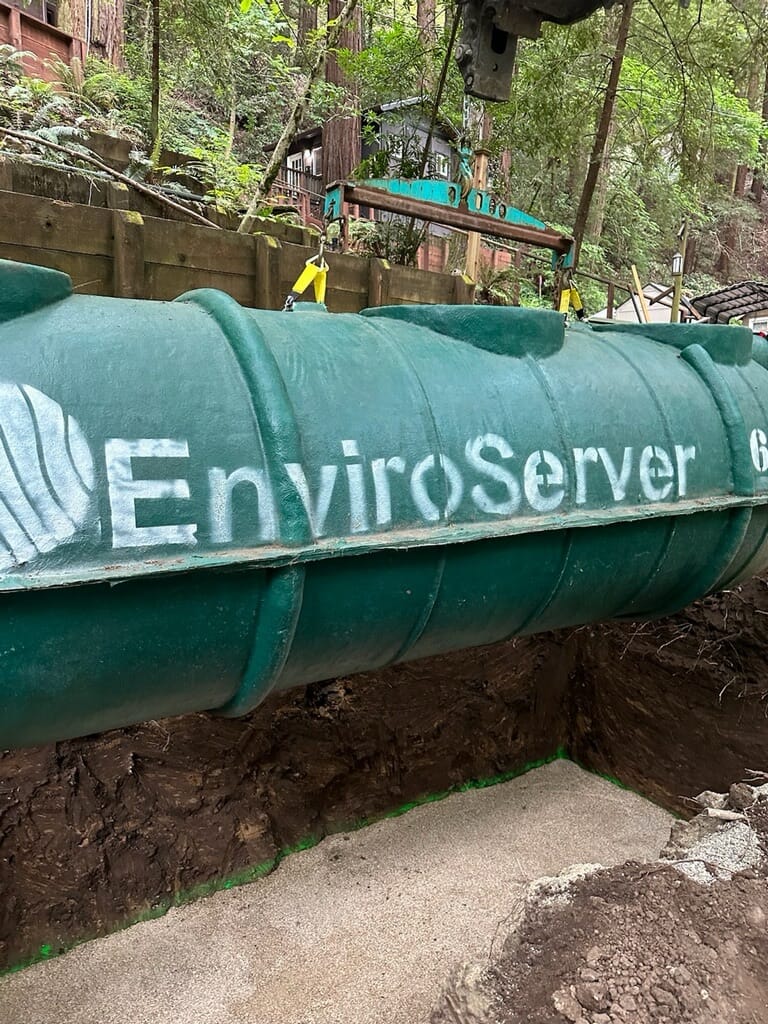
Your septic tank is one of the most critical components of your home’s plumbing system. When maintained properly, it works quietly in the background, safely processing waste and protecting your property from backups and environmental hazards. But when neglected, it can lead to foul odors, drainage issues, and costly repairs.
At Wade’s Plumbing & Septic, we help homeowners throughout Santa Cruz County keep their septic systems running efficiently year-round. Here’s how to take care of your system, prevent problems, and extend the life of your septic tank.
1. Regularly Pump Your Septic Tank
Over time, household waste accumulates in your septic tank. While bacteria break down much of this waste, solids eventually build up and must be removed. Failing to pump your tank can cause overflows, system clogs, and drain field damage.
Recommended schedule:
Most homes benefit from pumping every 1–3 years, depending on tank size and household usage. A professional inspection will determine your optimal pumping frequency.
Benefits:
- Prevents backups and overflows
- Extends the life of your septic system
- Protects your property and surrounding soil
2. Use High-Pressure Water Jetting to Clear Pipes
Even with regular pumping, solids and sludge can build up in your septic system’s pipes and drain field lines. This buildup can slow wastewater flow and, over time, cause serious clogs.
Solution:
Schedule high-pressure water jetting every 5 years to clean the inside of your septic lines. This process uses a powerful stream of water to break up blockages and flush out debris—restoring optimal flow throughout your system.
Why it matters:
- Prevents costly pipe repairs and drain field replacement
- Keeps the entire septic system functioning efficiently
- Helps reduce odors and slow drains
3. Add Beneficial Bacteria to Support Waste Breakdown
Your septic tank relies on naturally occurring bacteria to decompose waste. However, common household chemicals like bleach, antibacterial soaps, and harsh cleaners can kill these bacteria—slowing down the system’s natural breakdown process.
What to do:
Periodically introduce live bacteria additives to your tank to replenish what’s lost. This helps your system continue breaking down organic material and reduces the likelihood of sludge buildup.
Tip: Use only products approved for septic systems to avoid further disruption.
4. Schedule Annual Septic System Inspections
Routine inspections are essential to catch small problems before they become big ones. During a professional inspection, your plumber will:
- Check sludge and scum levels
- Inspect baffles and filters
- Test drain field function
- Identify leaks or signs of wear
- Recommend necessary repairs
Annual inspections ensure your system stays in top condition and help you plan for future service or upgrades.
5. Watch What You Flush & Drain
Not everything that fits down the drain belongs in your septic system. In fact, many common household items can cause serious clogs and damage over time.
Avoid flushing or draining:
- Grease, fats, or cooking oils
- Coffee grounds and eggshells
- Paper towels, tissues, and wipes (even if “flushable”)
- Feminine hygiene products and diapers
- Harsh chemicals, bleach, or antifreeze
Use septic-safe toilet paper and limit garbage disposal use to prevent debris from accumulating in your tank.
Need Septic Tank Maintenance in Santa Cruz County?
Whether you need pumping, jetting, or a full inspection, Wade’s Plumbing & Septic is here to help. We provide expert septic tank maintenance, repair, and drain field services across Santa Cruz, Soquel, Capitola, Aptos, Watsonville, and surrounding communities.
Let us help you protect your home, save money, and keep your system running smoothly year after year.
Serving Santa Cruz County, CA
At Wade’s Plumbing & Septic, we proudly serve the entire Santa Cruz County, including the communities of Santa Cruz, Capitola, Scotts Valley, Watsonville, and Aptos. Our team is committed to maximizing the lifespan of your septic tank with our expert services.
We hold a C-42 license for California, ensuring that our work meets the highest standards of quality and compliance.
Our office is open Monday through Friday from 9am to 5pm, and we offer a 24/7 emergency line for urgent needs. Whether you’re in the heart of Santa Cruz or the surrounding areas, we’re here to help you maintain a reliable septic system.
Frequently Asked Questions
How much does it cost to maximize the lifespan of my septic tank in Santa Cruz County?
The cost to maximize your septic tank’s lifespan varies based on specific needs and services required. Generally, you can expect to invest anywhere from $300 to $1,000 for comprehensive maintenance and inspection services.
What should I expect during a septic tank service in Santa Cruz County homes?
During a septic tank service, our experts will conduct a thorough inspection, clean the tank, and address any potential issues. We ensure minimal disruption to your daily routine and provide detailed insights into your system’s condition.
How long does a typical septic tank service take for homes in Santa Cruz County?
A standard septic tank service usually takes between 2 to 4 hours, depending on the tank’s size and condition. Our team works efficiently to ensure timely and effective service.
Why should I choose Wade’s Plumbing & Septic for my septic tank needs in Santa Cruz County?
Wade’s Plumbing & Septic offers unmatched expertise and local knowledge, ensuring top-tier service for Santa Cruz County residents. Our professional team is dedicated to extending your septic system’s lifespan with reliable and friendly service.