Read time: 4 min read
Few things are more alarming than seeing dirty water rising into your shower. This usually signals a blockage in your home’s main sewer line. When any of your plumbing fixtures—like the toilet, bathroom sink, dishwasher, or washing machine—experience drainage issues, water can be redirected to the lowest point in your home, often the shower or tub.
To resolve this, you’ll need to identify the source of the clog and ensure the main sewer line is cleared properly.
How to Clear a Clogged Main Sewer Line
While some clogs can be cleared using gloves, a plunger, or basic drain cleaning tools, recurring blockages usually indicate a deeper issue in your main sewer line. Your home’s entire plumbing system connects to this line, and poor maintenance or buildup over time can lead to backups.
If the problem keeps coming back, it’s time to call a licensed plumber. An experienced professional can inspect, diagnose, and resolve the blockage using the right equipment and techniques to prevent future issues.
Common Causes of Main Sewer Line Clogs
There are several typical reasons for main drain and sewer line blockages:
- Broken, collapsed, or sagging sewer pipes
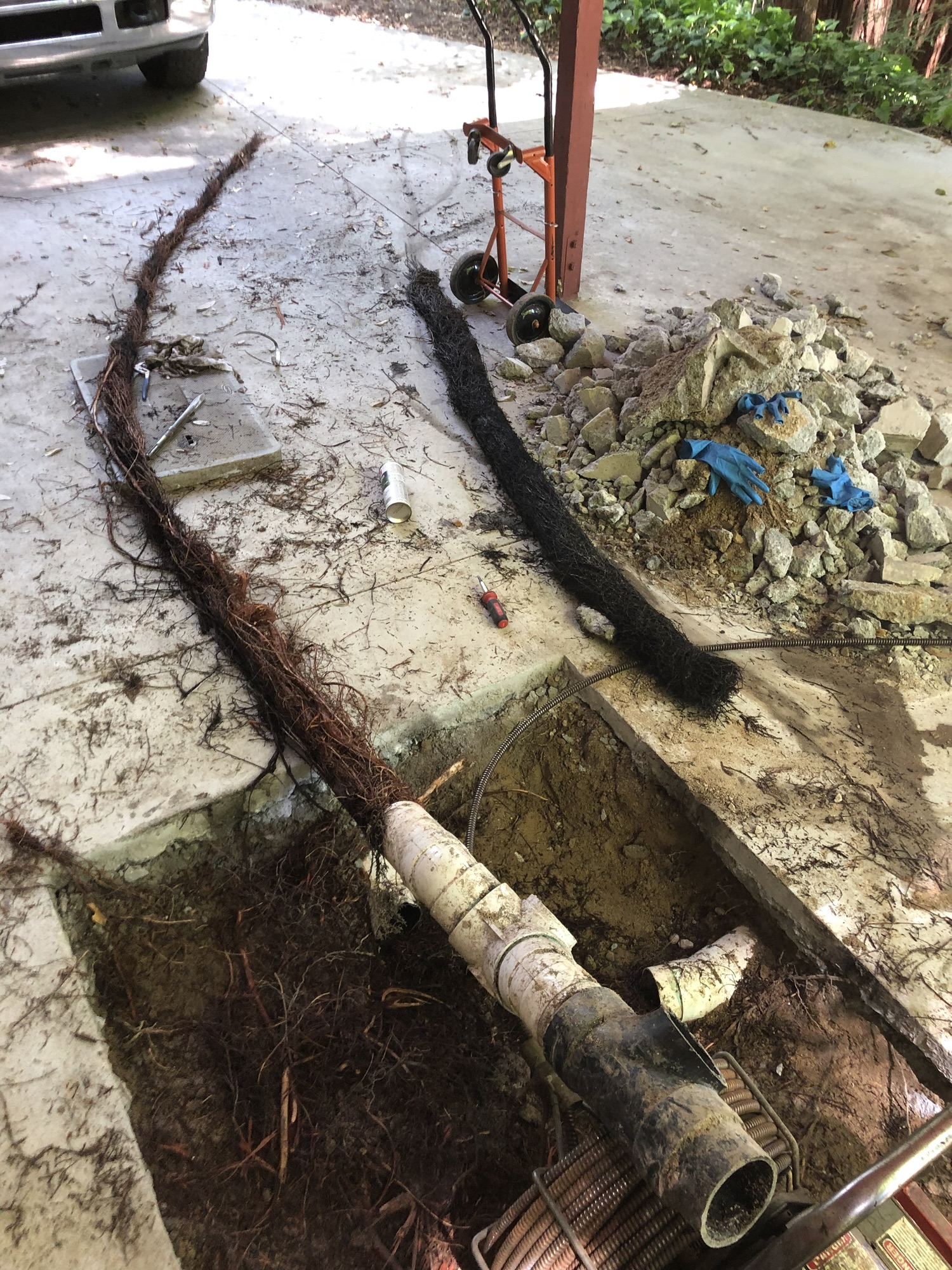
- Tree roots growing into the pipe and blocking flow
- Improper items flushed down the toilet, such as:
- Baby wipes and diapers
- Feminine hygiene products
- Paper towels and napkins
- Pouring fats, grease, or oil down the drain, which solidifies and causes blockages over time
Can Toilet Paper Clog Sewer Lines?
Yes—even toilet paper can contribute to clogs. Although it’s designed to be flushable, large amounts or overly thick toilet paper can accumulate in older or compromised systems. If your plumbing hasn’t been maintained in a while or your sewer line is aging, even regular toilet paper may build up and cause issues.
Choosing a fast-dissolving, septic-safe toilet paper can help, but flushing anything beyond human waste and toilet paper should always be avoided.
Why Ignoring Drain Clogs Is Dangerous
It’s easy to dismiss minor clogs—until they become major ones. Hair, soap scum, grease, and other organic debris build up over time, slowly reducing flow until a complete blockage forms. Persistent clogs may even signal tree root intrusion, which can destroy your pipes and lead to raw sewage backing up into your home.
Once clogs become severe, they require specialized tools like augers, hydro-jetting equipment, or sewer cameras to resolve. Delaying professional attention will only lead to higher repair costs and greater damage to your home’s plumbing infrastructure.
How Often Should Sewer Lines Be Cleaned?
To prevent severe blockages, your main sewer line should be professionally inspected and cleaned every 18 to 22 months. Regular maintenance is affordable compared to emergency plumbing repairs and helps extend the lifespan of your sewer system.
If your drains are slow, if you hear gurgling, or if you experience sewage backups, don’t ignore the signs. Have your system evaluated before more serious damage occurs.
Protect Your Home with Preventative Maintenance
Backups and sewer line clogs are preventable with proper care. If you’ve noticed recurring drainage issues or suspect your main line may be clogged, contact a trusted local plumber to inspect the entire system—bathroom pipes, kitchen drains, and the main sewer line.
Acting quickly can prevent long-term damage, save money, and keep your home safe from health hazards and costly water damage.
Santa Cruz County Septic Experts
Act Now for Reliable Septic Solutions
Experience quick and reliable solutions for shower backups in Santa Cruz County homes with our expert services.
Serving Santa Cruz County, CA
Wade’s Plumbing & Septic proudly serves the entire Santa Cruz County area, including the communities of Santa Cruz, Watsonville, Capitola, Scotts Valley, and Aptos. Our team is dedicated to providing expert plumbing solutions to solve shower backup issues and more.
Contractor License: C-42 license for CA / state license for GA
Office Hours: Monday–Friday, 9am–5pm
Emergency Line: Available 24/7
Whether you’re in the heart of Santa Cruz or the outskirts of Watsonville, we’re here to help with all your plumbing needs.
Frequently Asked Questions
How much does it cost to solve shower backup issues in Santa Cruz County homes?
The cost for resolving shower backup issues varies depending on the severity of the blockage and the required solutions. Typically, prices range from $150 to $500. Contact us for a personalized estimate.
What should I expect during the shower backup service?
Our experienced technicians will assess the situation, identify the cause of the backup, and implement effective solutions to restore proper drainage. We ensure minimal disruption to your daily routine while maintaining a clean work environment.
How long does it typically take to resolve a shower backup?
Most shower backup issues can be resolved within a few hours. However, the timeline may vary based on the complexity of the issue. Our team works efficiently to restore your shower’s functionality as quickly as possible.
Why should I choose Wade’s Plumbing & Septic for my shower backup issues?
Wade’s Plumbing & Septic is a trusted local authority in Santa Cruz County, CA, with a reputation for reliable, efficient service. Our skilled professionals are dedicated to providing top-quality solutions tailored to your needs.
Need help with this issue?
Talk to a local expert
Tell us what is going on and we will follow up with straight answers and scheduling options. For emergencies, call us directly.
Send a message
We respond during business hours. Urgent sewage or water damage? Call the number above.
Join the conversation
Have a question or tip? Share it with other readers below.
Comments (0)