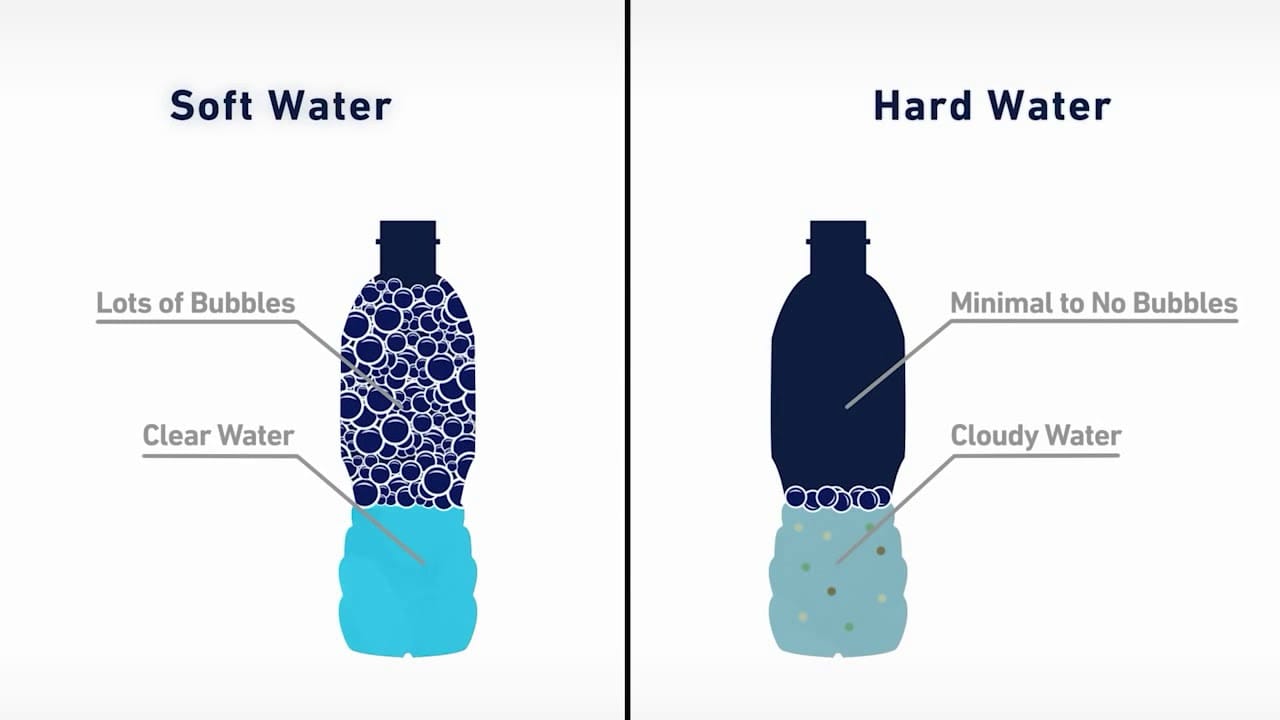
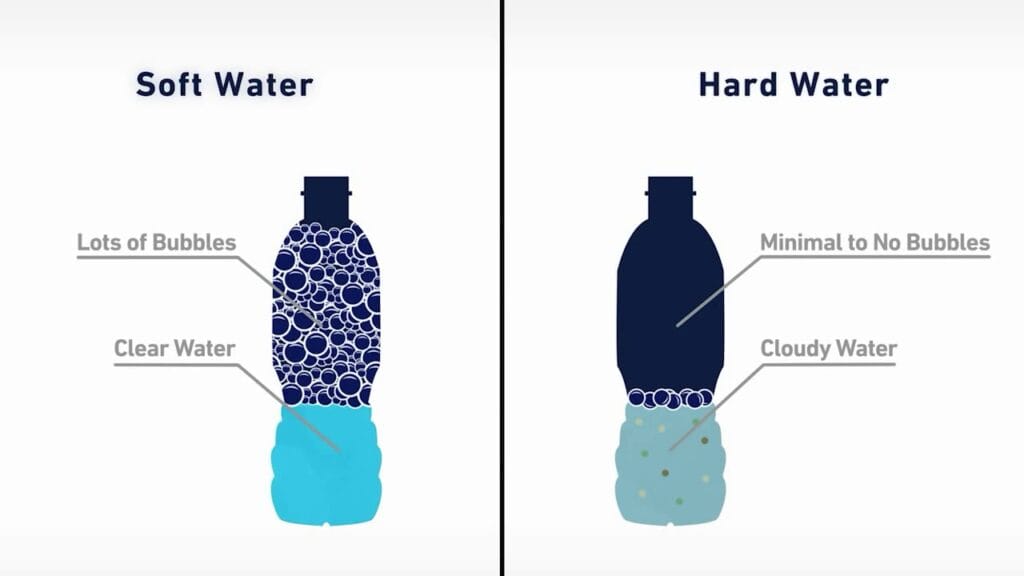
When you turn on the tap, you probably aren’t thinking about what’s in your water—just that it’s flowing. But beyond the basics of hydration and hygiene, the quality of your water can significantly impact your home, plumbing, and health. If your water contains high levels of calcium and magnesium, it’s known as hard water—and it could be silently damaging your plumbing and appliances.
At Wade’s Plumbing & Septic, we help homeowners across Santa Cruz County test their water, diagnose hard water issues, and install reliable water softening solutions. Here’s what you need to know about hard water, how it forms, and what it can do to your home.
How Does Water Become “Hard”?
Rainwater is naturally soft when it falls. But as it travels through the ground, it picks up minerals like calcium and magnesium, especially when it flows through areas rich in limestone or chalk. By the time it reaches reservoirs and water supplies, it may carry high levels of these minerals—making the water “hard.”
The exact hardness level of water depends on your region’s natural landscape and underground water sources. Even if water appears clear and tastes fine, high mineral content can still cause serious long-term issues.
Why Is Hard Water a Problem?
While calcium and magnesium are essential nutrients for our bodies, they’re not so great for your pipes and appliances. Here’s why hard water can create problems in your home:
- Scale Buildup in Pipes: Over time, minerals accumulate on the inner walls of your plumbing, narrowing the passageways and reducing water pressure.
- Shorter Appliance Lifespan: Water heaters, dishwashers, and washing machines become less efficient and more prone to failure due to scale buildup.
- Stains on Fixtures and Dishes: White or cloudy spots on your glassware, shower doors, and faucets are caused by mineral residue left behind when the water evaporates.
- Soap Scum & Reduced Cleaning Power: Hard water interferes with soaps and detergents, causing more residue and requiring more product to get the job done.
- Dry Skin & Hair: Hard water strips away natural oils, leaving skin and hair feeling dry or irritated after showers.
If left untreated, hard water can result in costly plumbing repairs, premature appliance replacement, and higher utility bills due to poor energy efficiency.
How a Water Softener Helps
Installing a water softener can drastically improve your home’s water quality. These systems use ion exchange technology to remove calcium and magnesium from the water, replacing them with sodium or potassium.
Benefits of Water Softeners:
- Prevent mineral buildup in pipes and appliances
- Extend the life of water heaters, washing machines, and dishwashers
- Improve soap and detergent performance
- Eliminate cloudy spots and scale from fixtures
- Make your skin and hair feel softer and cleaner
Water softeners also help reduce your overall energy usage—especially in water heaters—because they allow systems to heat water more efficiently without working through layers of scale.
Soft Water: Pros and Cons
While soft water can solve many household problems, it’s not always perfect for every use.
Pros:
- No mineral stains on dishes or fixtures
- Better soap and shampoo performance
- Increased appliance efficiency
- Reduced maintenance and plumbing costs
Cons:
- Higher sodium content: Softened water contains small amounts of sodium, which may not be ideal for those with high blood pressure or on low-sodium diets.
- Not ideal for plants: Soft water can affect plant health due to its sodium content, especially when used for frequent watering.
If health concerns are an issue, salt-free water conditioning systems may be a better choice, providing similar benefits without increasing sodium levels.
Worried About Hard Water? We Can Help.
If you’ve noticed scale buildup, water spots, low water pressure, or dry skin, you could be dealing with hard water. At Wade’s Plumbing & Septic, we offer professional water testing, softener installation, and custom water treatment solutions tailored to your household’s specific needs.
We proudly serve Santa Cruz, Capitola, Soquel, Aptos, Watsonville, and surrounding areas with trusted local plumbing expertise. Let us help you improve your water quality—so your home, plumbing, and appliances can perform at their best.
Serving Santa Cruz County, CA
Wade’s Plumbing & Septic is proud to serve the diverse communities of Santa Cruz County, including Santa Cruz, Watsonville, Scotts Valley, Capitola, and Aptos. Our team is dedicated to providing top-notch plumbing and septic services to residents and businesses throughout the region.
We hold a C-42 contractor license for California, ensuring our work meets the highest standards of quality and safety.
Our office is open Monday through Friday, from 9am to 5pm. For those unexpected emergencies, our emergency line is available 24/7 to address any urgent plumbing or septic issues you may encounter.
At Wade’s Plumbing & Septic, we are committed to being your trusted local experts in Santa Cruz County, CA.
Frequently Asked Questions
How much does it cost to address hard water issues in Santa Cruz County homes?
The cost to address hard water issues in Santa Cruz County can vary depending on the specific solutions required. Generally, prices range from $500 to $2,500 for water softening systems. Wade’s Plumbing & Septic provides a detailed estimate after assessing your home’s needs.
What should I expect during a hard water service appointment?
During a hard water service appointment, our team will assess your water quality, inspect your plumbing system, and recommend the best solutions. We ensure minimal disruption and provide a thorough explanation of the process and expected outcomes.
How long does it typically take to resolve hard water problems?
Resolving hard water problems can typically take one to two days, depending on the complexity of the installation or repairs needed. Our experienced technicians work efficiently to ensure your home’s water quality is enhanced promptly.
Why choose Wade’s Plumbing & Septic for hard water solutions in Santa Cruz County?
Wade’s Plumbing & Septic is a trusted local expert with years of experience in Santa Cruz County. We offer customized solutions, reliable service, and a commitment to improving your home’s water quality with professionalism and care.